
Beyond the final whistle
What a month of world-class football can teach us about growing great kids
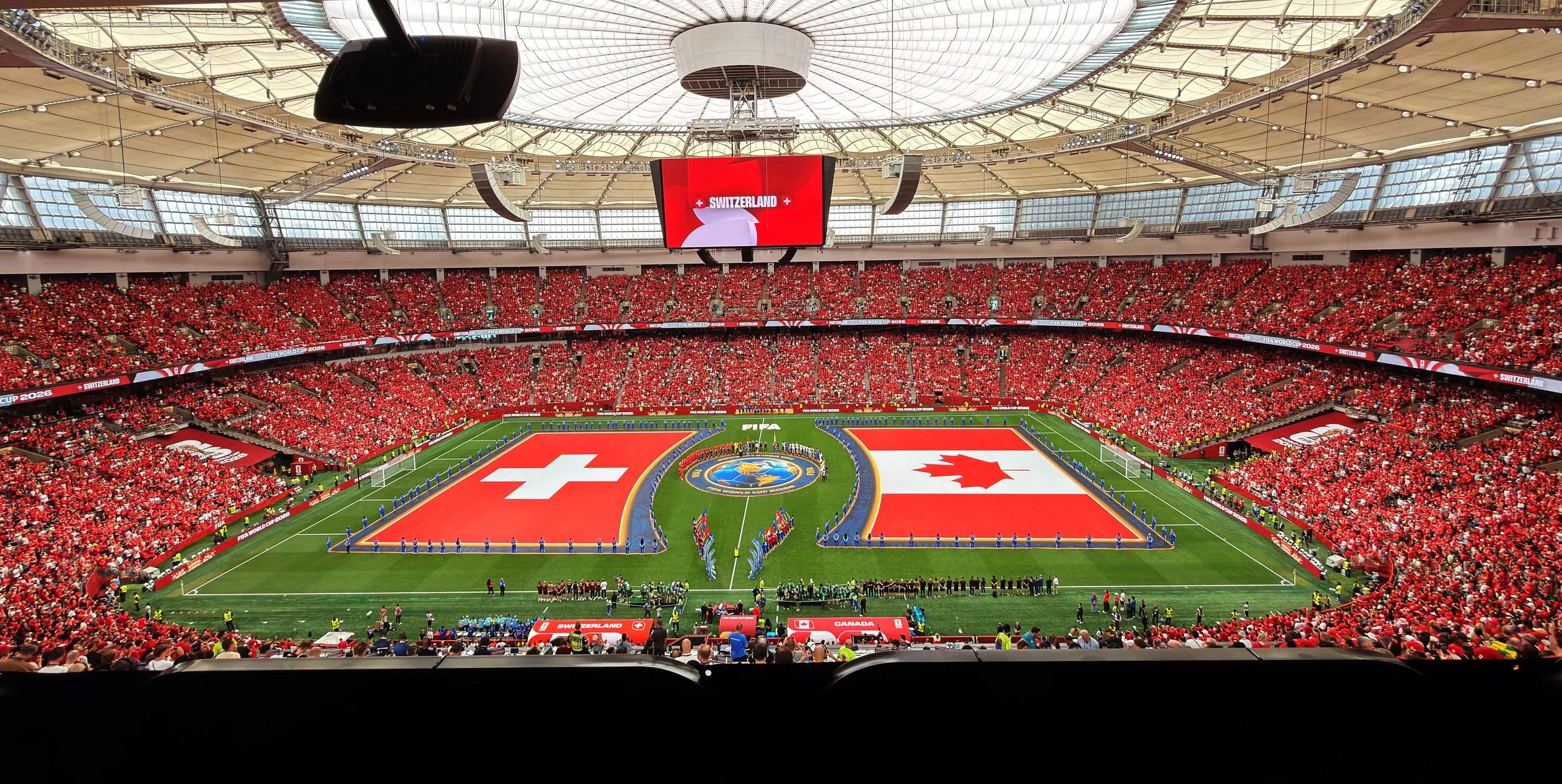
For the past month, millions of eyes around the globe were glued to screens of all sizes. Families gathered on couches, living rooms filled with cheers, and morning conversations seemed to revolve around late-night goals and dramatic extra-time finishes. The World Cup has a singular way of capturing our collective imagination.
While the tournament offered plenty of athletic brilliance, it also served as a remarkable masterclass in human character. As educators and parents, we spend a lot of time talking about values like perseverance, integrity, and global citizenship. Over the past four weeks, those abstract concepts came to life on a grand, colorful stage.
As the noise settles, here are three enduring lessons from the tournament that we can carry into our homes and classrooms this summer.
Hope Belongs to the Underdog
It is human nature to root for the little guy. When small nations like Cape Verde took to the field against world football royalty, nobody gave them much of a chance on paper. Yet they stepped out with fearlessness, grit, and an infectious sense of belief.
Watching teams face seemingly insurmountable odds with smiles on their faces is a powerful lesson for young children. School can sometimes feel overwhelming, whether it is tackling a new instrument, learning a difficult math concept, or joining a new club. Seeing underdogs play with pure heart reminds our kids that size and status do not dictate potential. Bravery is about showing up and giving everything you have, regardless of the scoreboard.
True Greatness Requires Class and Community
We often teach children that winning is not everything, but the World Cup showed us how to win and lose with dignity. Teams like Spain, Morocco, and Canada stood out not just for their technical skill, but for their commitment to genuine teamwork and mutual respect.
These teams demonstrated that individual talent means very little without unity. When a player makes a mistake, their teammates lift them up. When they score, the entire bench celebrates together. They showed us that true class means respecting your opponent, playing clean, and honouring the game. For elementary students, this is the ultimate blueprint for the playground. Success is not built on individual ego; it is built on how well we support the people standing next to us.
Joy Unites Us Across Boundaries
Perhaps the most moving aspect of the tournament was watching how sport can transcend culture and distance. Think of the emotional reception given to the Iranian team by fans in Los Angeles. Thousands of miles away from home, players and supporters shared a moment of profound warmth, pride, and human connection.
In a world that often feels divided, these moments offer a quiet reminder of our shared humanity. Children see these celebrations and instinctively understand the lesson. Kindness, joy, and belonging speak a language that everyone understands. When we teach our kids to appreciate different cultures and cheer for the humanity in others, we move one step closer to our primary goal at Walden: making good people.
As the banners come down and summer continues, let us hold onto these moments. Talk with your children about what moved them during the tournament. Ask them who showed the most heart and why teamwork mattered. The games may be over, but the lessons on character are just beginning.