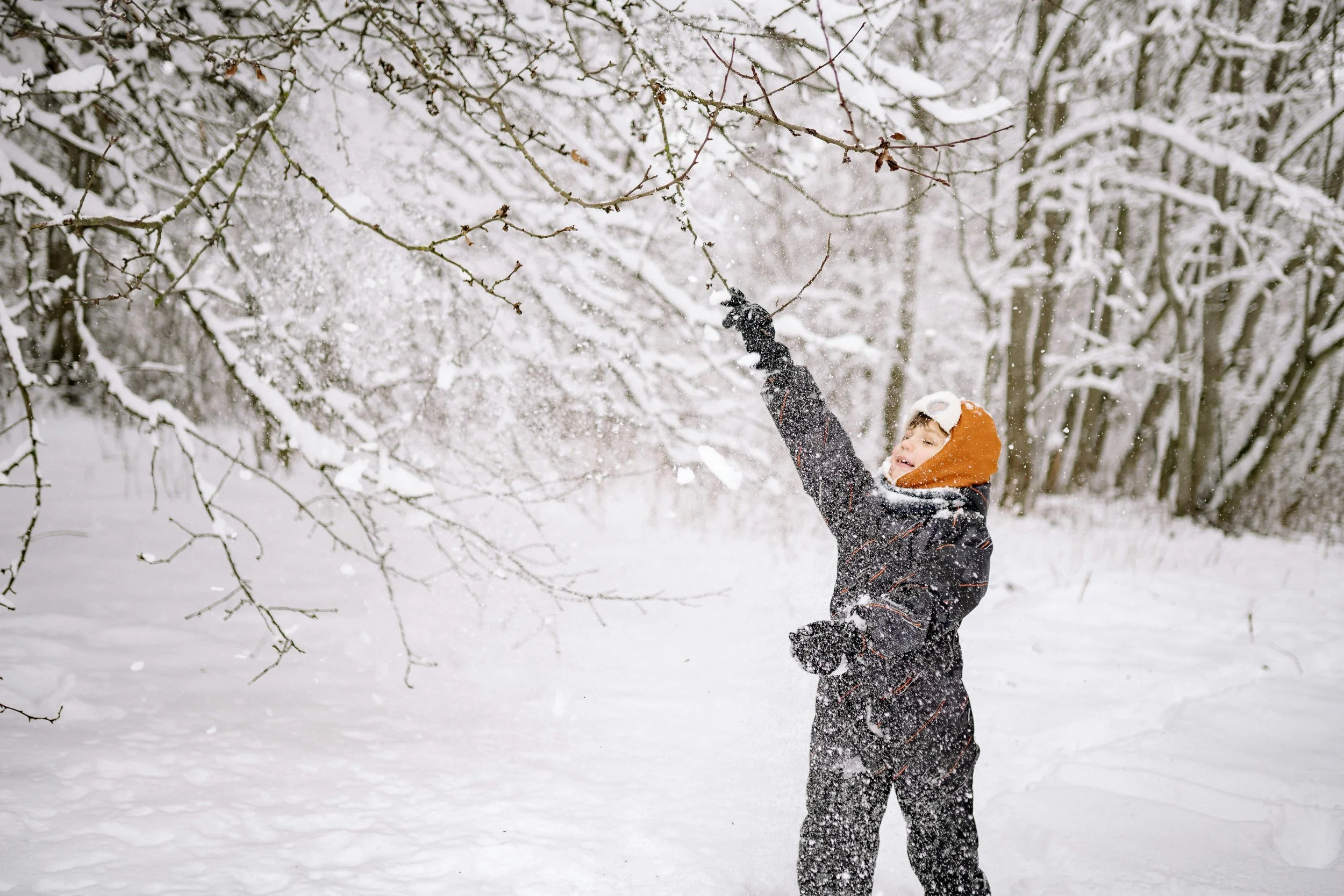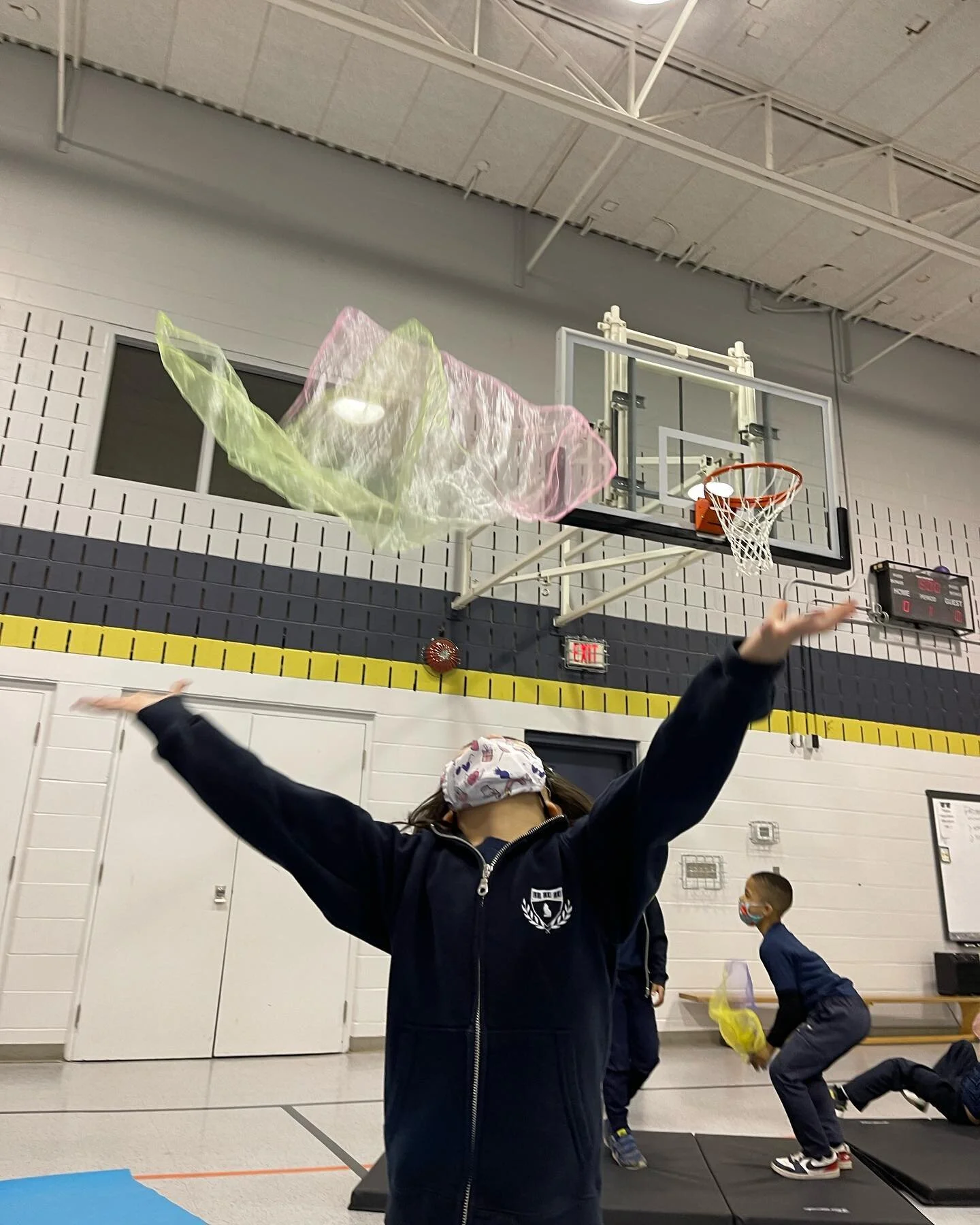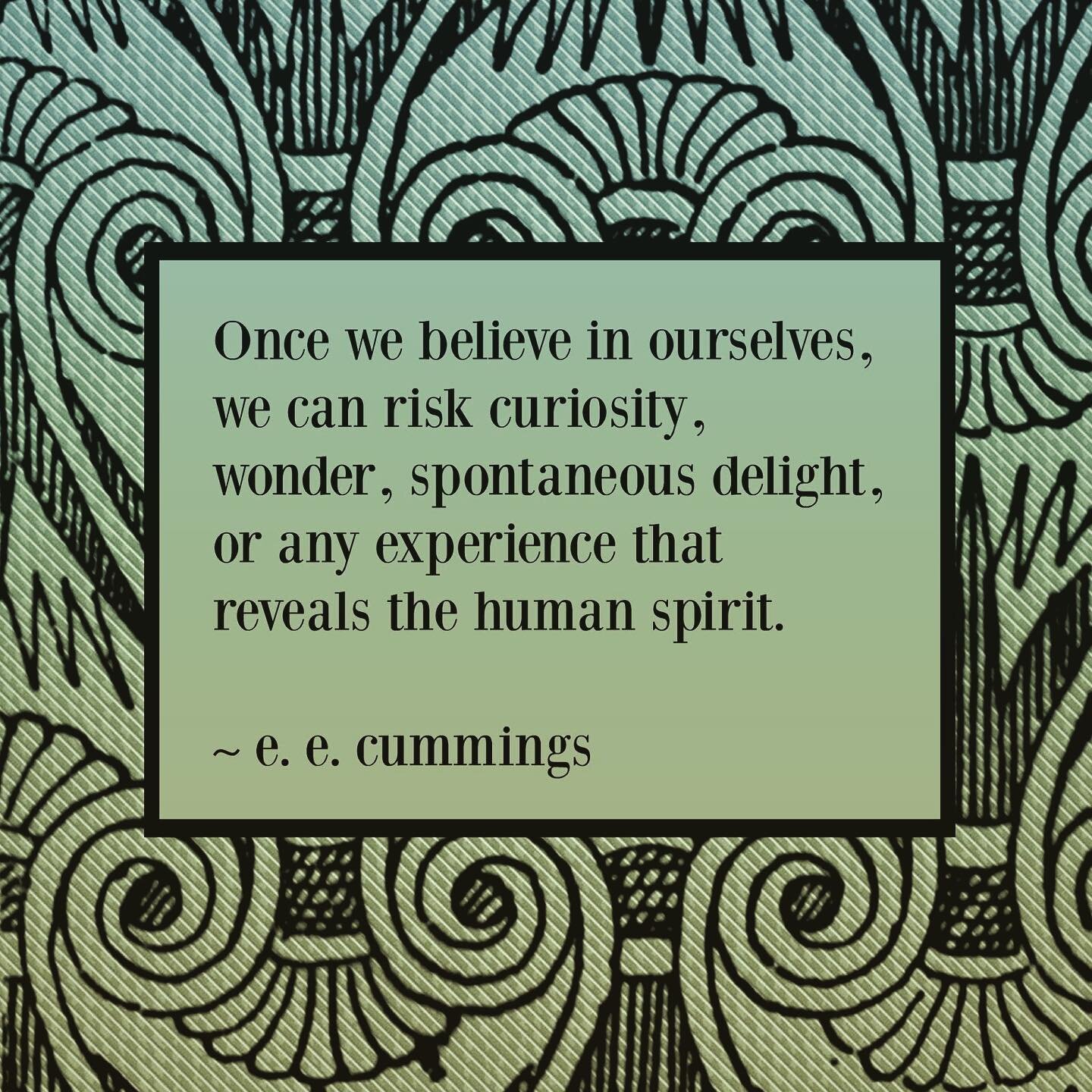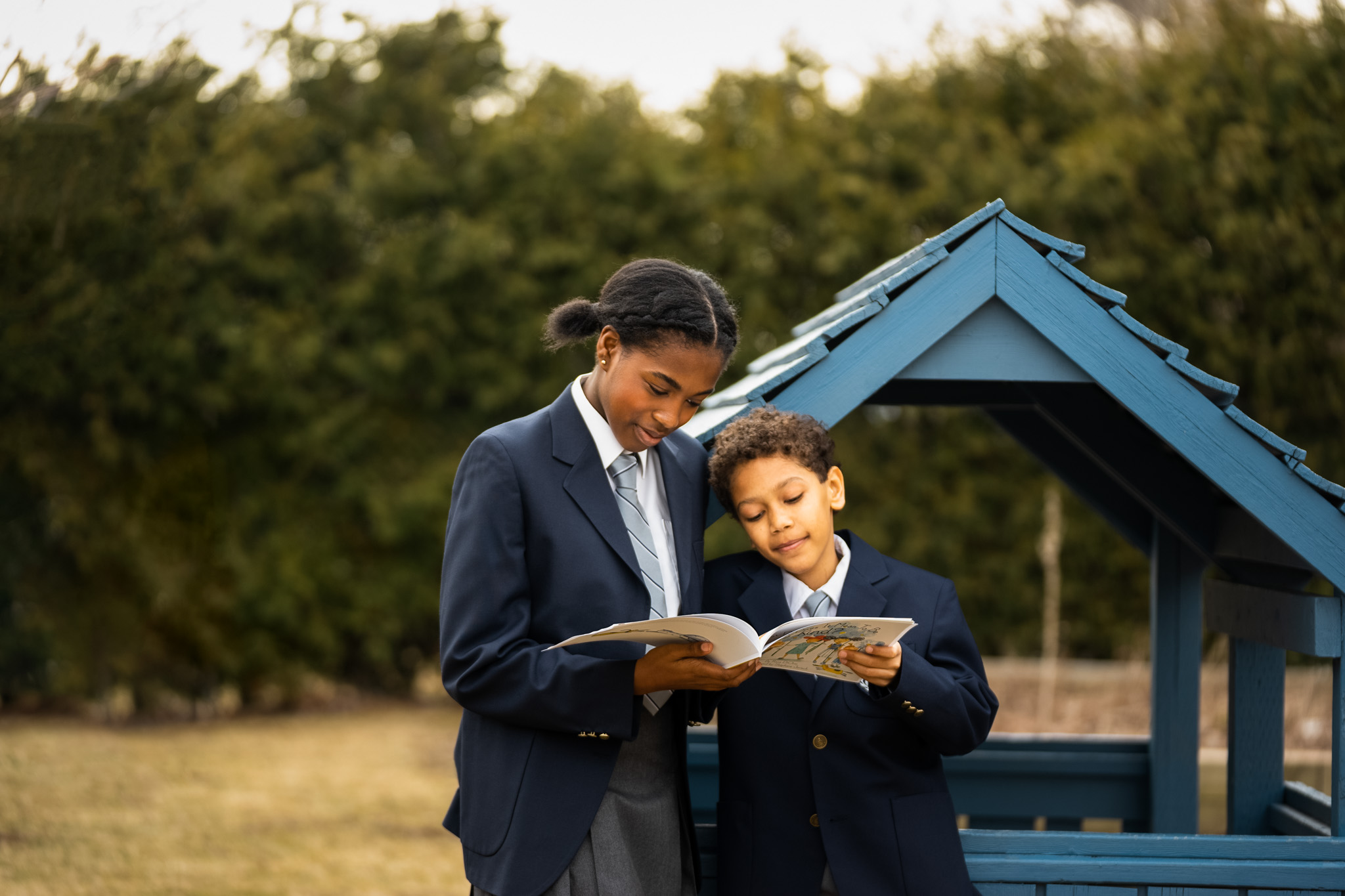


Have you ever watched a young child inspect a ladybug or wonder aloud why the sky changes colour at sunset? Elementary school children are naturally full of questions. Their minds are wired to explore, experiment, and wonder about the world around them.
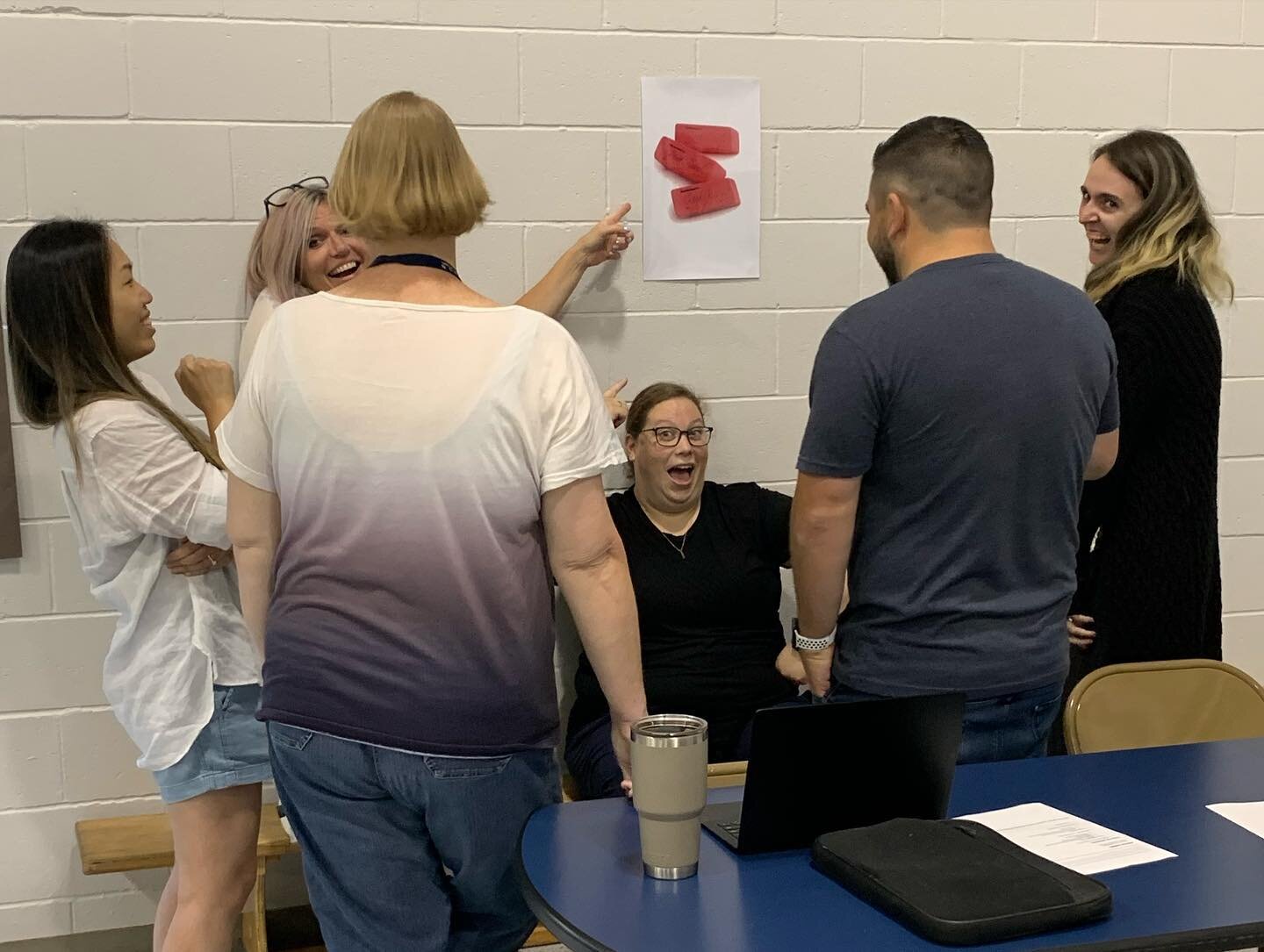
During a recent staff meeting, we asked our teachers a simple question: What is one thing you hope our students experience at Walden this year? As their answers came in, one word kept resurfacing across pairs and departments: belonging.
August is a unique month in the parenting calendar. It starts with the optimism of high summer and ends with the sudden realization that you have five days to transition a child who hasn't worn shoes with laces or answered to their own name since June back into structured society.
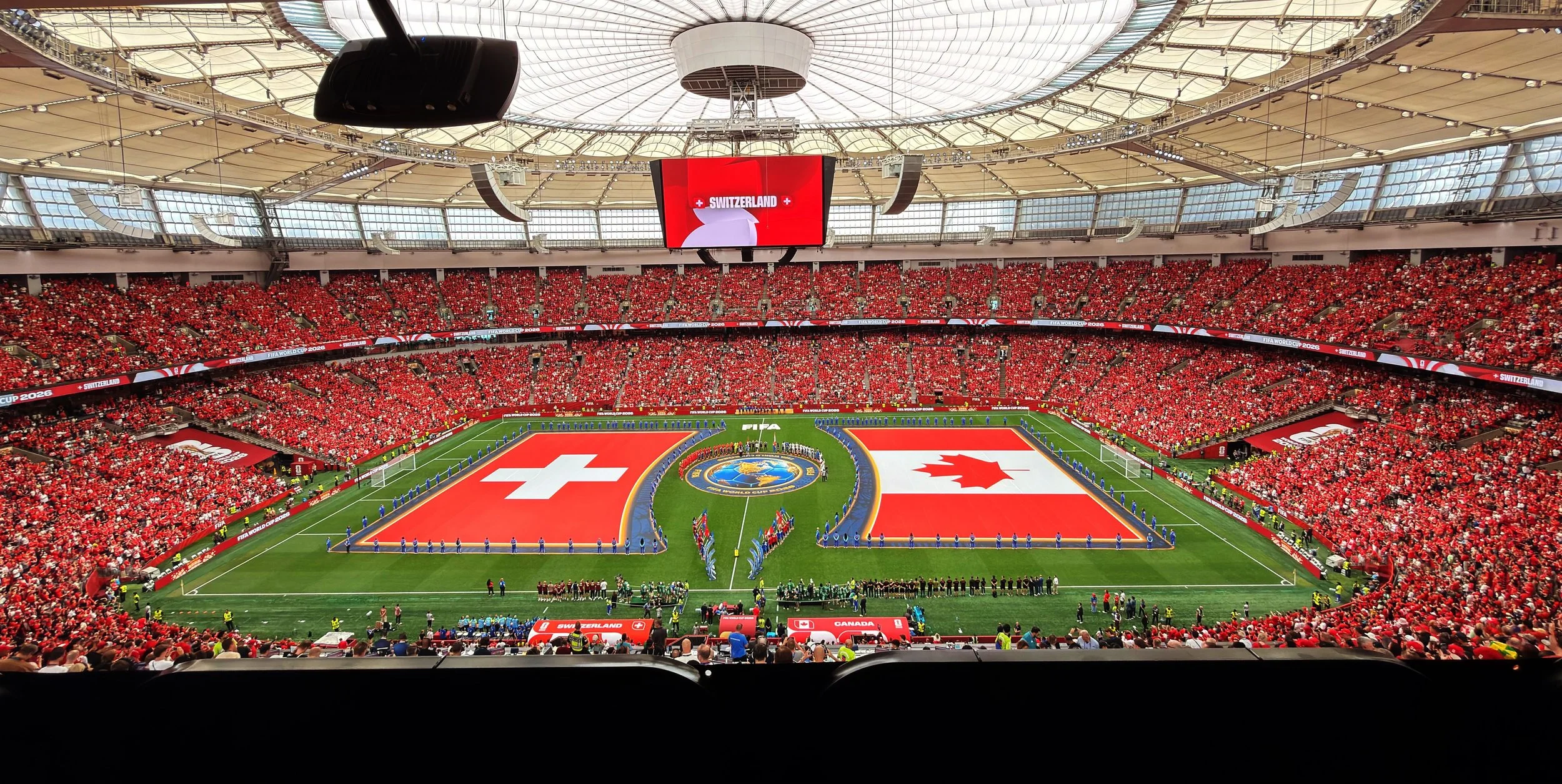
For the past month, millions of eyes around the globe were glued to screens of all sizes. Families gathered on couches, living rooms filled with cheers, and morning conversations seemed to revolve around late-night goals and dramatic extra-time finishes. The World Cup has a singular way of capturing our collective imagination.
It happens around the same time every year. The school year wraps up, the schedules clear out, and within forty-eight hours of the initial excitement wearing off, it happens. A child walks into the kitchen, slumps against the counter, and delivers that familiar, inevitable summer refrain: I’m boooored.
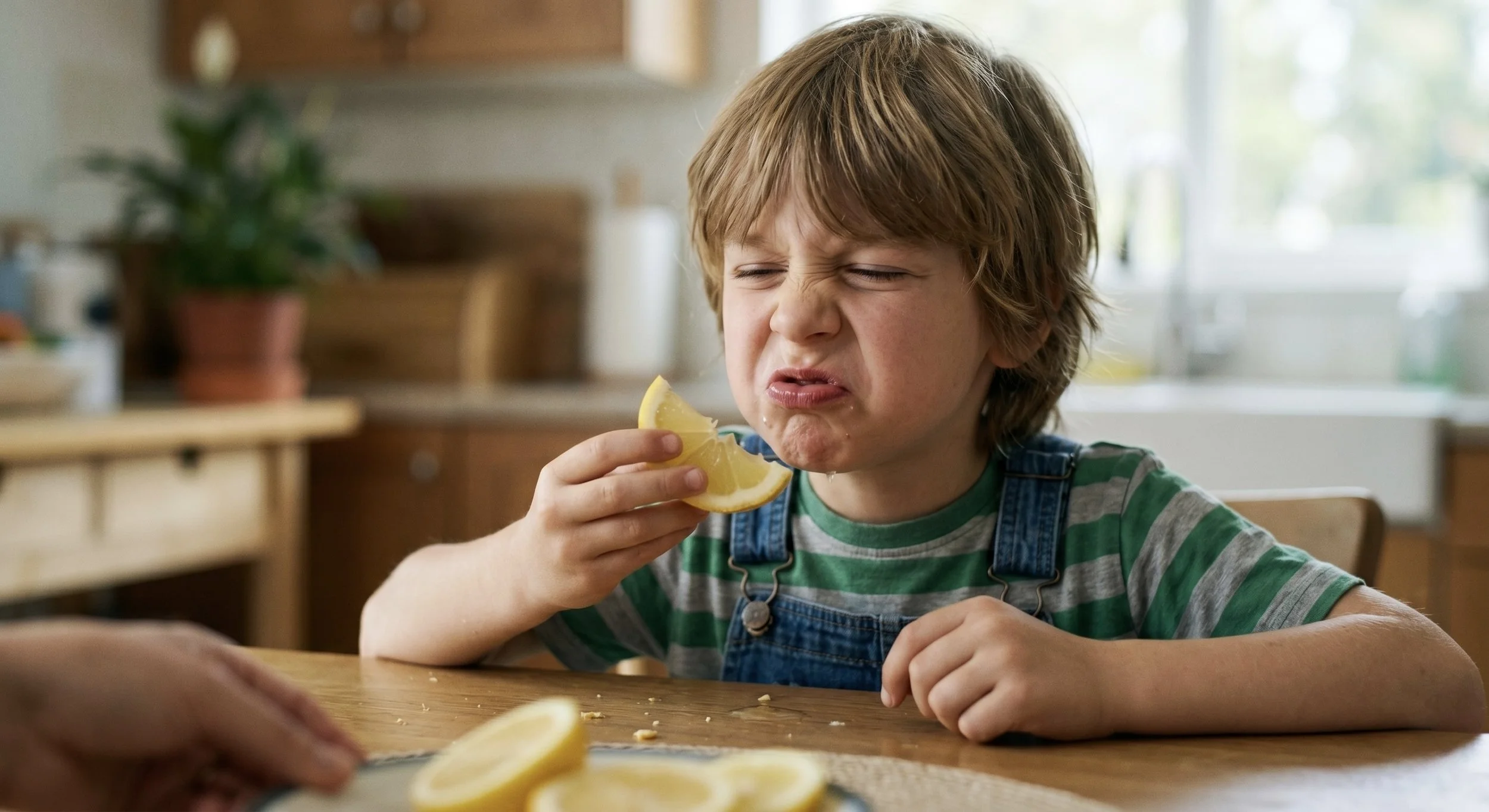
If we took a poll of our students asking for their favourite way to spend a Tuesday morning, sitting in a quiet room with an HB pencil and a booklet of long division or grammar rules probably wouldn’t crack the top ten. In fact, for many children, it ranks somewhere between accidentally eating a lemon and cleaning their room on a Saturday.
Recently, I wrote about why we are choosing connection over screens and reducing digital noise at Walden. We believe in being pro-human, which often means having the courage to put technology away to protect careful thinking. However, being mindful of technology does not mean ignoring it entirely. It means being incredibly picky about which tools we use and why.
Ten years ago, I founded this school in response to a growing problem I observed as a public school teacher and administrator. In those hallways, I watched as provincial test scores and graduation rates began to overshadow students' actual needs. Between the pressure of data and the rise of social media, our kids were losing ground. Eventually, the gap between doing things right and doing what’s right became too large to ignore.
Every parent wants their child to succeed. We dream of the high school diplomas, the university acceptances, and the exciting careers that lie ahead. But at Walden, we believe in a deeper kind of success. We believe that before a child can achieve greatness, they must first be "good."
What Making Good People looks like in Kindergarten
At Walden, Kindergarten is about more than learning to read and count—it is the foundational stage for making good people. But what does that look like in practice? How do you measure kindness, integrity, and community alongside literacy and numeracy?