
Luddites or Progressives?
Why We’re Choosing Connection Over Screens
Ten years ago, I founded this school in response to a growing problem I observed as a public school teacher and administrator. In those hallways, I watched as provincial test scores and graduation rates began to overshadow students' actual needs. Between the pressure of data and the rise of social media, our kids were losing ground. Eventually, the gap between doing things right and doing what’s right became too large to ignore.
I wanted to build a place that values curiosity, inclusivity, and—above all—making good people. To do that in 2026, we have to be brave enough to look at the tools we use and, sometimes, put them away.
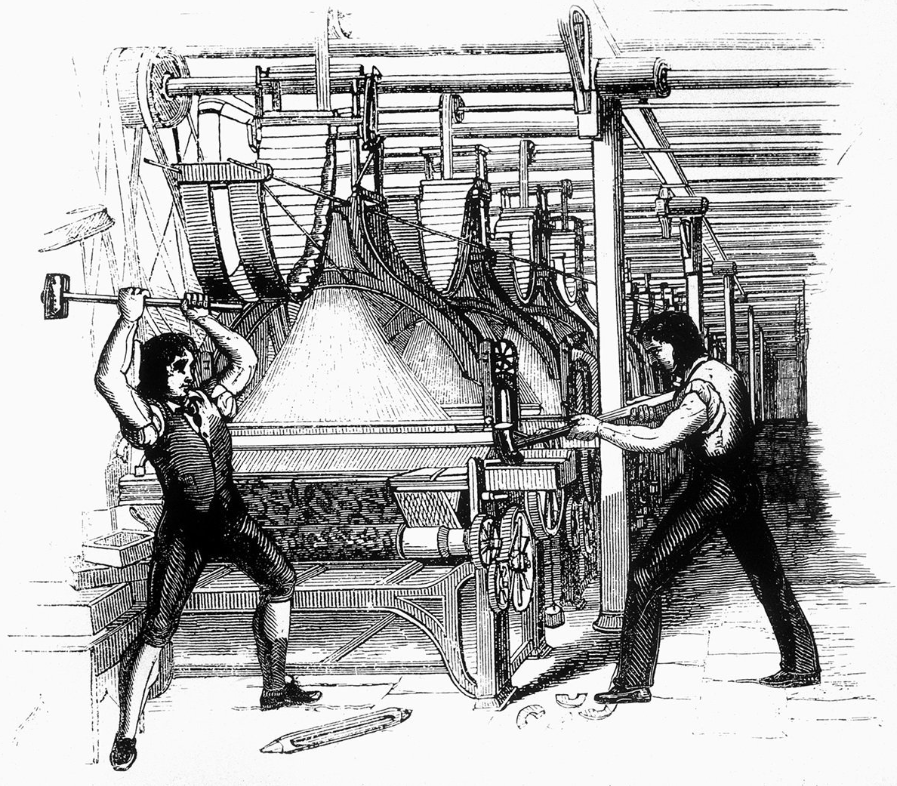
Lessons from the Luddites
As we look toward our next decade, we are intentionally reducing our reliance on technology. This might seem like a step backward, but history tells a different story.
In the late 1700s, skilled weavers—later labelled Luddites—protested the machines that were turning their craft into low-paid, mindless tasks. They weren't anti-technology; they were pro-human. They worried about what unthinking automation would do to their community.
Today, education faces a similar crossroads. For years, the trend was to give every child a laptop. But we’ve learned that when tech is used without a clear why, it creates a digital barrier between students and teachers, weakening the depth of learning.

Rigour Over Quick Answers
At our school, Making Good People means protecting what makes us human: careful thinking and genuine connection.
When a student writes an essay by hand, they have to slow down and commit to a sentence before the pen hits the paper. In a circle discussion without glowing screens, students learn to read body language and tone of voice. This isn’t about hating computers; it’s about restoring rigour —it’s about ensuring students do the heavy lifting of thinking for themselves rather than letting an algorithm do it for them.
What the Present Looks Like
Our classrooms look a bit different than the high-tech hubs in most brochures. You'll see more hands-on and experiential learning.
By reducing digital noise, we’ve found that the atmosphere becomes calmer. Curiosity blooms when students aren't just Googling a quick answer but are finding the right one, applying critical and creative thinking skills. This also fosters true inclusivity. Tech can be isolating, but face-to-face interaction ensures every child is seen and heard.
Future-Proofing Our Kids
We want our graduates to be the kind of people who can lead a meeting, solve a complex problem with a pencil and a napkin, and connect deeply with others.
We are teaching students that technology is a tool, not a destination. It might feel like a throwback, but in an automated world, the most future-proof skills are deep thinking and strong character. By stepping back from the digital rush, we are reclaiming the soul of education. Good people are present, thoughtful, and kind—and they’re usually too busy engaging with the real world to worry about a screen.
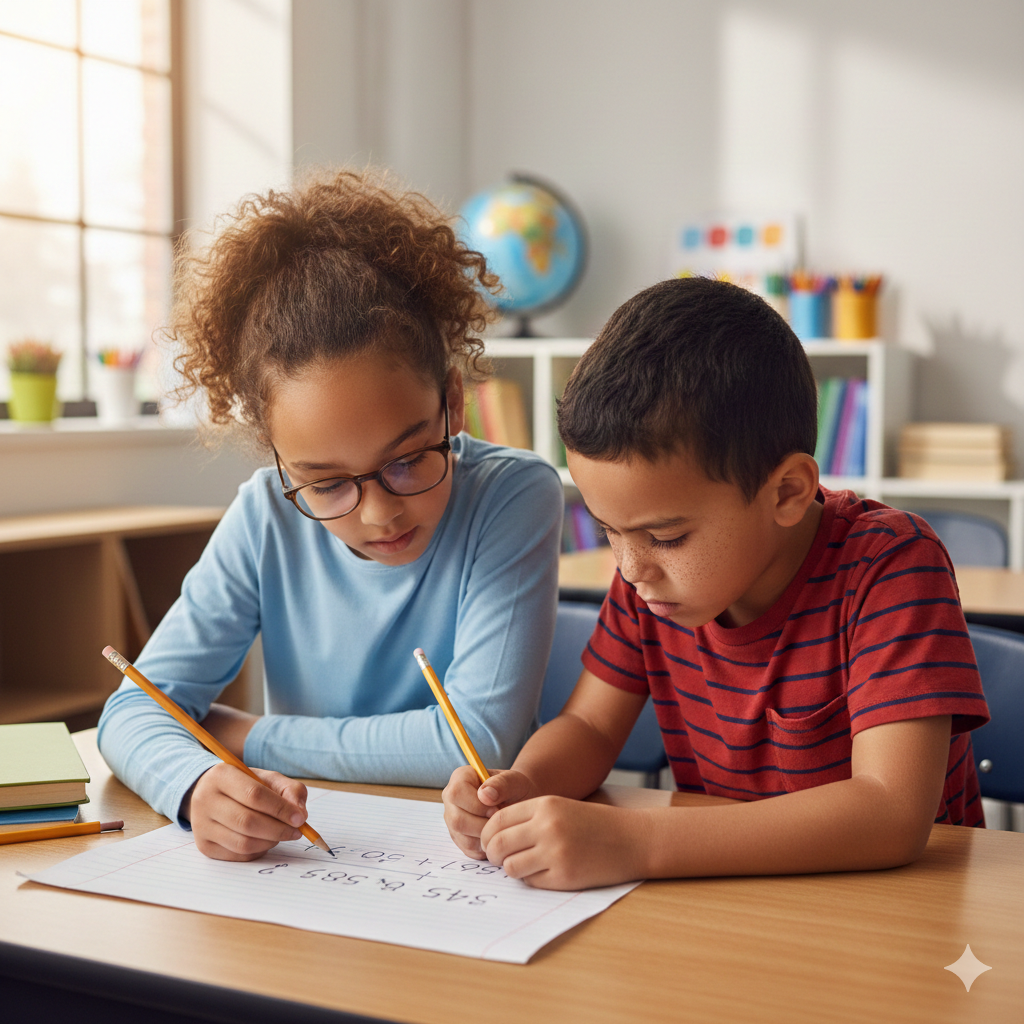
We’re not completely averse to technology and we believe in transparency: this image was created by AI!
Resources and Inspiration
Our current shift toward reducing tech reliance has been inspired by extensive research and thoughtful commentary on the state of modern education:
We Gave Students Laptops and Took Away Their Minds by Peter Savodnik (The Free Press). This article provides the historical context for the Luddite movement and offers a compelling look at the digital-minimum movement in schools.
The Anxious Generation by Jonathan Haidt. A vital look at how the phone-based childhood has impacted student well-being.
The Tech-Wise Family by Andy Crouch. A great resource for bringing human connection back into the home.