
Raising thinkers
Nurturing curiosity and genuine connection in the age of AI

Have you ever watched a young child inspect a ladybug or wonder aloud why the sky changes colour at sunset? Elementary school children are naturally full of questions. Their minds are wired to explore, experiment, and wonder about the world around them.
However, in today’s fast-paced digital era, preserving that natural sense of wonder requires intentional effort. With the rapid rise of Artificial Intelligence, answers to almost any question are available in a split second. While technology offers incredible tools, it also brings a critical question for parents and educators: how do we ensure technology supports, rather than replaces, a child’s natural desire to think deeply?
The AI dilemma: Tool or shortcut?
Artificial Intelligence can be a powerful learning partner when used thoughtfully. It can help students gather information quickly, visualize complex ideas, or brainstorm new creative project concepts.
Yet, there is a delicate balance. When children rely on screens and instant answer engines to do the mental heavy lifting, they miss out on the most valuable part of learning: the process of discovery. True curiosity develops when children grapple with challenging problems, test out ideas, make mistakes, and uncover solutions through their own effort. If an algorithm always supplies the immediate answer, the impulse to ask “why?” or “what if?” can slowly fade away.
As we explored in our post on why the best technology is a teacher who truly sees your child, digital tools are never a substitute for meaningful human guidance. At Walden International School, we believe that making good people means protecting what makes us human: careful thinking and genuine connection. To thrive in a changing world, children need to develop deep critical-thinking skills, emotional intelligence, and real-world problem-solving abilities that no machine can duplicate.
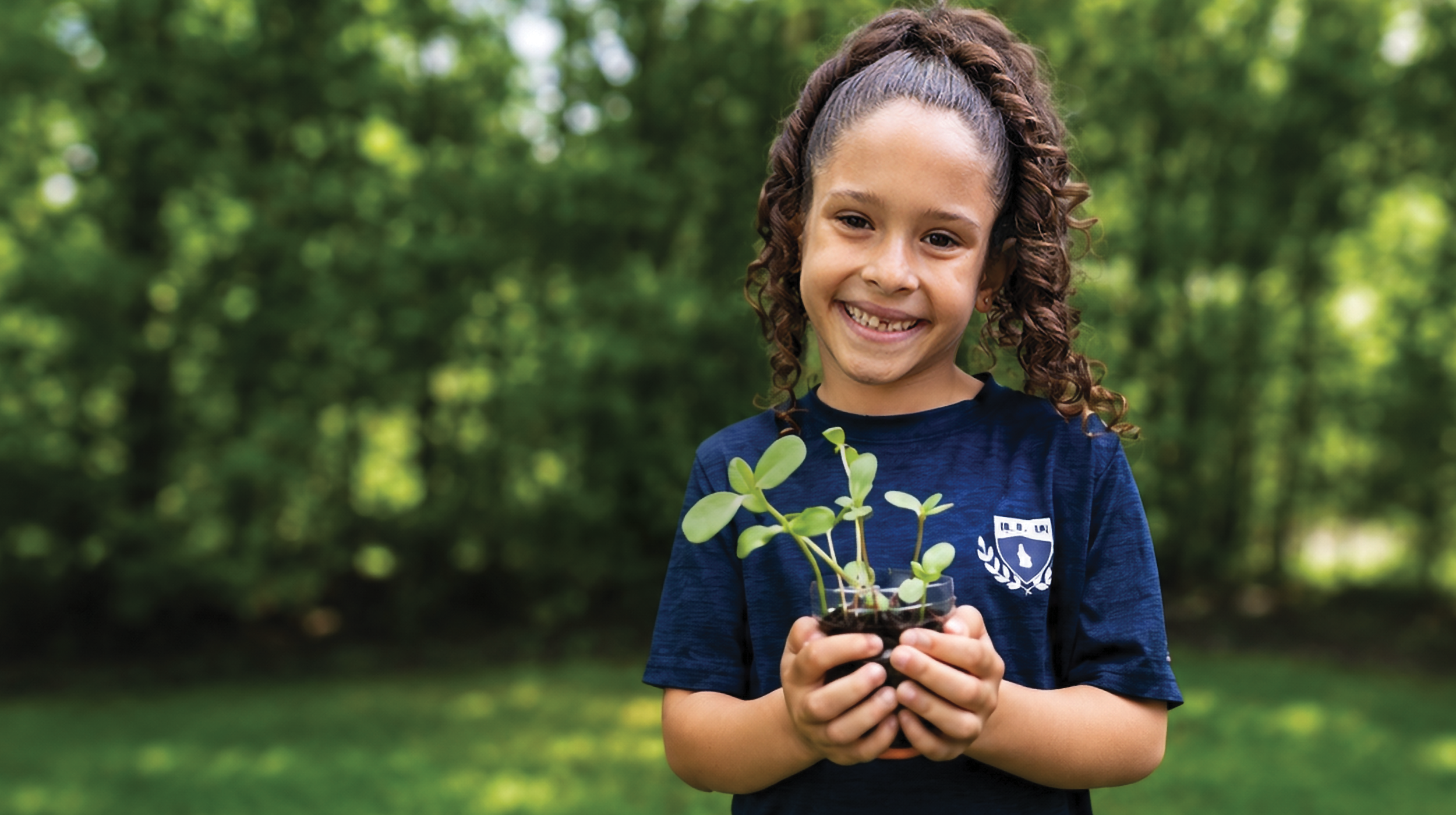
Childhood unplugged
How we raise thinkers
To help elementary students build a lifelong love of learning and strong independent minds, education must focus on foundational human experiences.
We begin by offering our students regular opportunities to step away from screens through our Childhood Unplugged approach. By getting their hands dirty, engaging with nature, and exploring the physical world directly, students build genuine curiosity and practical understanding.
At the same time, we know that Real Connection Starts Here in our classrooms. Deep understanding grows through real human conversation, whether students are reading together, sharing different perspectives, debating ideas, or learning how to collaborate respectfully with their peers.
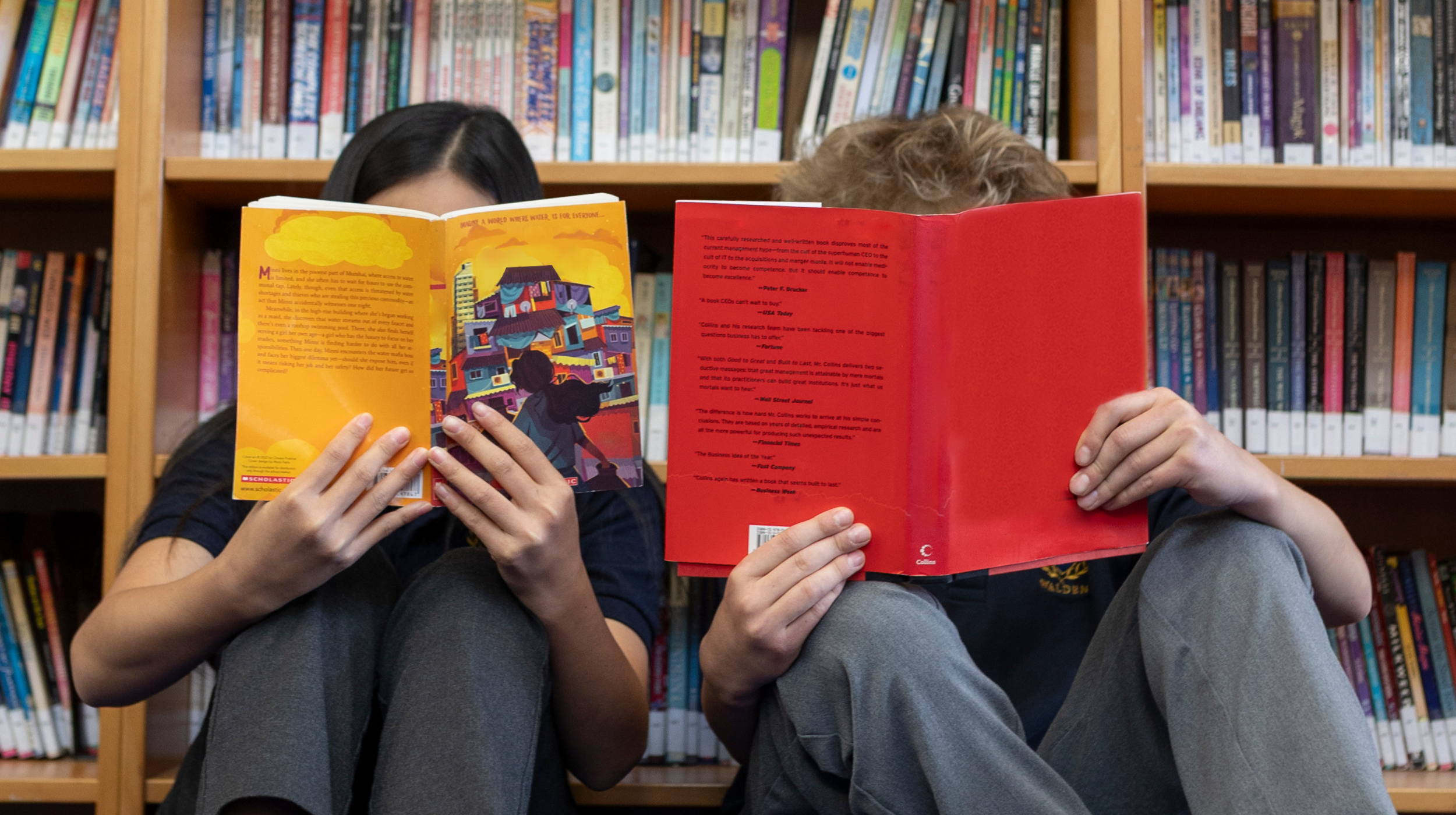
Real connection starts here
Finally, we teach our students that Presence is a Skill. Learning how to focus deeply in a world full of digital distractions is essential. Through mindfulness and quiet reflection, children build the inner patience, self-awareness, resilience, and mental clarity needed to navigate complex ideas.
When children are encouraged to slow down, ask meaningful questions, and think critically, they do not just consume information: they learn how to process, evaluate, and apply it thoughtfully.

Presence is a skill
How Walden Teaches Thinking Over Answer-Finding:
Inquiry-First Classrooms: Instead of providing facts for students to memorize (or query), teachers start lessons with open-ended questions such as "Why do rivers curve?" rather than giving direct definitions.
Process over Product: Assessment focuses on the reasoning path, how a student reached an answer, tested assumptions, or revised after a mistake rather than just the final answer.
AI as a 'Thinking Partner,' Not an Answer Key: In older grades, students use AI to test ideas or critique responses, training them to evaluate information critically rather than accept it passively.
3 Ways to Nurture a Thinker at Home:
Swap "I don't know" with "How could we find out?": Encourage exploration before searching for quick answers.
Ask Open-Ended Follow-Ups: When your child shares a fact, ask: "What made you think of that?" or "What would happen if we tried it differently?"
Embrace the Struggle: Let children sit with a difficult puzzle or math problem for a few minutes before stepping in. The learning happens in the effort.
Frequently Asked Questions
Q: Does Walden International School ban AI tools like ChatGPT?
A: No. Rather than banning technology, Walden teaches students to use AI responsibly as a collaborative brainstorming tool while ensuring primary emphasis remains on inquiry, original critical thinking, and human mentorship.
Q: How does the IB Primary Years Programme (PYP) build critical thinkers?
A: The IB framework uses inquiry-based learning, where students drive lessons through research, open-ended questioning, and real-world problem-solving rather than passive intake of information.
See it in action at our upcoming Open House
Building a foundation of careful thinking and real human connection is at the heart of everything we do. We invite prospective families to see our educational approach firsthand and discover how we put these values into practice every day.
Join us for our upcoming Open House on Saturday, October 24. You will have the opportunity to explore our school, meet our dedicated educators, and observe how we foster curious minds and strong character.
If you are already a part of the Walden community, you know the value of this environment best. We encourage you to share this invitation with friends, neighbours, and family members who are looking for a school that values thoughtful learning and genuine connection.
Come see how we raise thinkers and prepare students to navigate the future with confidence, wisdom, and heart.
Event details:
When: 10 a.m. - 1 p.m., Saturday, October 24
Where: Walden International School, 2035 Upper Middle Rd E, Oakville
Learn More: Visit https://waldeninternationalschool.com/open-house or call (905) 338-6236